
The evolution of gambling a journey through time and culture
The Origins of Gambling
The practice of gambling dates back to ancient civilizations, where evidence suggests that forms of gaming were integral to cultural rituals. Archaeological findings indicate that the earliest known gambling activities appeared in China around 2300 BC, involving rudimentary games of chance. In ancient Mesopotamia, games using dice made from animal bones became popular, marking a significant step in the evolution of gambling as both a pastime and a form of entertainment. Today, many players flock to online platforms like casino neosurf, which offer a convenient way to engage with these traditional activities.

As these early civilizations grew, so did their gambling practices. The Greeks and Romans embraced betting as part of their social fabric, linking it to their love for sports and competition. The introduction of betting on chariot races and gladiator contests showcased how gambling was intertwined with cultural events, reflecting societal values and communal engagement. This period laid the groundwork for future gambling forms, with games evolving in complexity and popularity.
The Rise of Modern Gambling
The 17th century marked a pivotal moment in the evolution of gambling with the establishment of formal casinos in Europe. These establishments transformed gambling from informal gatherings into organized venues, attracting a more diverse clientele. The first official casino, the Ridotto, opened in Venice in 1638, offering a regulated environment where patrons could gamble under set rules.
The emergence of casinos coincided with the rise of the Enlightenment, where rationality and structure influenced various aspects of life, including gambling. This period saw the creation of classic games like roulette and blackjack, which became staples in casinos worldwide. As gambling spread across continents, it adapted to local cultures, forming unique variations that enriched the global gaming landscape.
The Cultural Significance of Gambling
Gambling is not merely an activity; it reflects societal values, beliefs, and traditions. In many cultures, games of chance are associated with luck and fate, influencing how individuals view risk and reward. For instance, in some Indigenous cultures, gambling is tied to ceremonial practices, symbolizing community bonds and shared experiences.
Throughout history, gambling has also faced scrutiny and regulation, with various societies imposing restrictions due to moral and ethical concerns. Despite this, the allure of chance has prevailed, leading to the normalization of gambling in many cultures. As a result, gambling has become a multifaceted aspect of entertainment, encompassing not only risk but also social interaction and cultural expression.
The Digital Revolution and Online Gambling
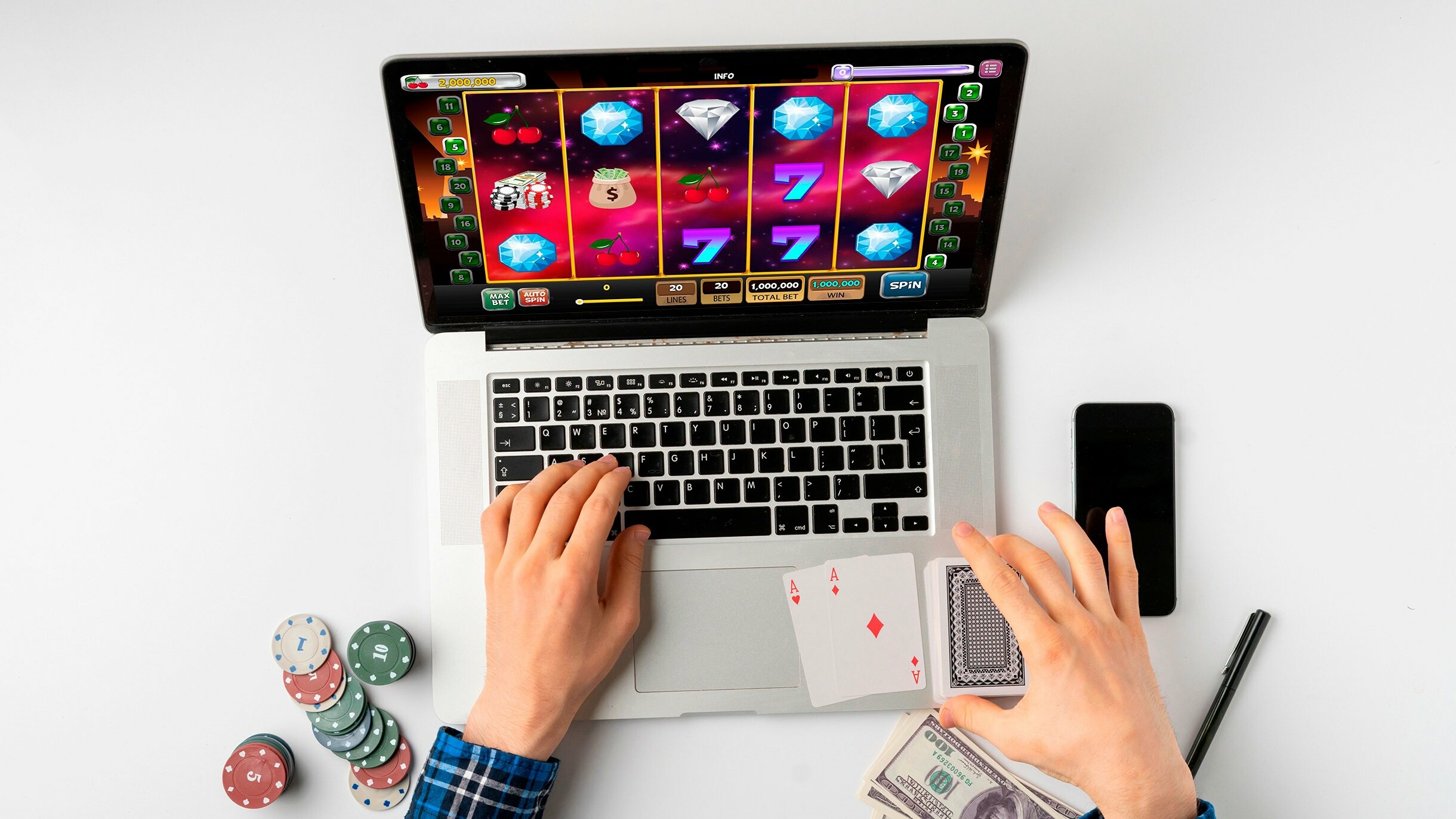
The advent of the internet has dramatically reshaped the gambling landscape, making it more accessible than ever. Online casinos emerged in the late 1990s, allowing players to gamble from the comfort of their homes. This shift not only expanded the reach of gambling but also diversified the types of games available, catering to a global audience with varied tastes.
Moreover, the digital age has introduced innovative technologies, such as live dealer games and mobile gambling applications, enhancing the user experience. As regulatory frameworks evolve, online gambling continues to gain legitimacy, appealing to younger generations who are increasingly comfortable with digital interactions. This transformation represents a new chapter in the ongoing story of gambling, integrating tradition with modern technology.
Exploring the Future of Gambling
The future of gambling is poised for further evolution, driven by technological advancements and changing consumer preferences. As virtual reality and augmented reality technologies gain traction, immersive gambling experiences could redefine how players interact with games. Additionally, the rise of cryptocurrency offers new payment options, enhancing security and anonymity for players.
As the gambling industry adapts to these trends, platforms must prioritize user satisfaction and safety. Comprehensive reviews and analyses of licensed platforms are essential for players seeking secure environments. Whether experienced or novice, players are encouraged to embark on their gambling journeys with informed choices, ensuring their experiences are both enjoyable and safe.